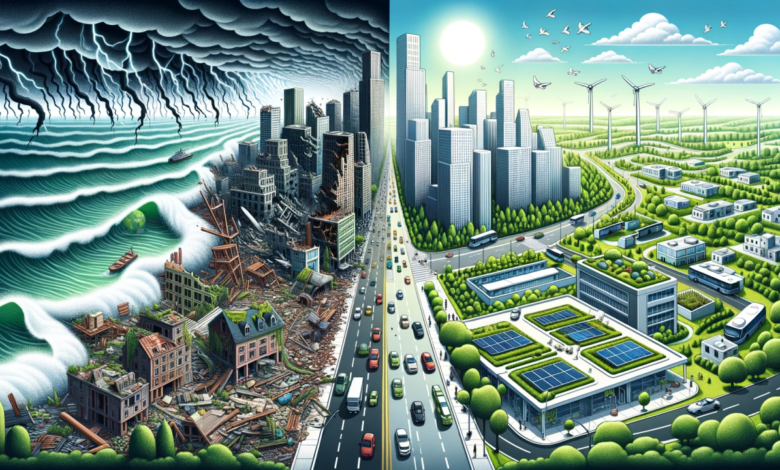
Contemporary infrastructure projects increasingly balance multiple objectives including functionality, sustainability, cost-effectiveness, and environmental responsibility. As municipalities and private developers plan new facilities and upgrade existing systems, technology selection significantly impacts long-term operational costs and environmental performance. Understanding available solutions across both above-ground installations and foundation systems helps project planners make informed decisions that serve immediate needs while supporting broader sustainability goals.
Solar LED Lighting: Energy-Efficient Infrastructure Solutions
The transition toward renewable energy extends beyond large-scale power generation to include distributed applications throughout infrastructure systems. Solar LED lighting represents one of the most practical implementations of sustainable technology, combining photovoltaic energy capture with highly efficient illumination in self-contained systems that reduce operational costs and grid dependency.
Technology Integration Benefits
These integrated systems offer numerous advantages for various applications:
- Elimination of trenching and electrical distribution costs
- Independence from grid power reducing operational expenses
- Rapid deployment without utility coordination requirements
- Continued operation during grid outages
- Minimal maintenance requirements throughout service life
Civil engineering contractors and utility providers increasingly specify these solutions for projects where traditional electrical infrastructure proves costly or impractical, including remote locations, temporary installations, and environmentally sensitive areas.
Solar Lighting Pole: Design and Application Considerations
The solar lighting pole integrates structural support, energy generation, storage, and illumination functions within a unified system. Effective implementation requires careful consideration of site conditions, performance requirements, and system specifications to ensure reliable operation across seasonal variations and weather conditions.
Specification Factors
Project engineers should evaluate multiple technical elements:
- Solar panel capacity matched to geographic location and seasonal sunlight
- Battery storage sized for extended periods without sunlight
- LED fixture output meeting illumination standards for specific applications
- Pole height and structural capacity for equipment loads and wind exposure
- Control systems optimizing energy usage and lighting schedules
PMW Group Malaysia works with contractors to develop infrastructure solutions that address both immediate project requirements and long-term operational objectives, including integration of sustainable technologies with traditional structural components.
Foundation Engineering: Spun Concrete Pile Applications
While above-ground infrastructure receives significant attention, foundation systems provide the essential support ensuring structural integrity and longevity. The spun concrete pile offers superior performance characteristics for challenging soil conditions and demanding load requirements across diverse construction applications.
Manufacturing Process
Centrifugal casting creates products with distinct advantages:
- Uniform density throughout cross-section eliminating weak zones
- Enhanced strength-to-weight ratios compared to conventional piles
- Consistent quality through controlled manufacturing processes
- Hollow core design reducing material costs and installation effort
- Resistance to environmental degradation extending service life
These characteristics make spun concrete pile products particularly suitable for infrastructure projects in coastal areas, locations with high water tables, or sites with poor soil bearing capacity.
Sustainable Infrastructure Planning
Modern development projects face increasing pressure to demonstrate environmental responsibility alongside functional performance. Integrating renewable energy technologies with durable foundation systems represents practical approaches to sustainable infrastructure development.
Sustainability Considerations:
- Lifecycle cost analysis comparing initial investment against operational savings
- Carbon footprint reduction through renewable energy utilization
- Material durability minimizing replacement frequency and resource consumption
- Operational independence reducing grid demand and associated emissions
- Adaptability to evolving technology and regulatory requirements
Solar LED Lighting System Components
Understanding component interactions within integrated systems helps ensure appropriate specification and reliable performance. Each element contributes to overall system functionality and efficiency.
System Elements
Complete installations comprise several interconnected components:
- Photovoltaic panels converting sunlight to electrical energy
- Charge controllers managing battery charging cycles
- Battery banks storing energy for nighttime operation
- LED fixtures providing efficient illumination
- Mounting hardware and structural support systems
- Control systems automating operation and optimizing performance
PMW Group Malaysia provides consultation on system integration, helping clients specify appropriate combinations for specific project contexts and performance requirements.
Foundation System Selection Criteria
Infrastructure projects require foundation solutions matched to site conditions, structural loads, and soil characteristics. The spun concrete pile addresses numerous challenging installation contexts through engineering advantages inherent to the manufacturing process.
Application Contexts
These foundation elements serve diverse project types:
- Telecommunications tower installations in varied terrain
- Street lighting and traffic signal foundations
- Solar lighting pole support systems
- Sign and billboard structural support
- Building foundation systems in problematic soils
Installation Efficiency and Cost Management
Project economics depend significantly on installation efficiency and labor requirements. Technologies reducing installation complexity and duration provide cost advantages while minimizing site disruption and environmental impact.
Efficiency Factors
Several elements contribute to installation cost-effectiveness:
- Pre-manufactured components reducing field assembly time
- Standardized installation procedures and equipment
- Minimal site preparation requirements
- Reduced crane time and specialized equipment needs
- Quick system commissioning and testing
Regional Climate Considerations
Geographic location significantly impacts both solar system performance and foundation requirements. Project planners must account for local conditions when specifying infrastructure solutions.
Climate Factors:
- Solar radiation levels affecting energy generation capacity
- Temperature extremes influencing battery performance and component longevity
- Precipitation patterns impacting soil conditions and drainage requirements
- Wind exposure determining structural design parameters
- Seasonal variation necessitating system oversizing for worst-case scenarios
Quality Assurance in Component Manufacturing
Infrastructure components must meet rigorous quality standards ensuring reliable long-term performance. Manufacturing quality control systems verify specification compliance and product consistency.
Quality Control Elements
Comprehensive programs address multiple production aspects:
- Raw material testing and supplier qualification
- In-process monitoring and statistical process control
- Final inspection and performance verification
- Documentation systems providing traceability
- Continuous improvement methodologies
PMW Group Malaysia emphasizes quality management throughout manufacturing operations, supporting clients with equipment and processes that consistently deliver specification-compliant products.
Maintenance and Operational Considerations
Long-term infrastructure performance depends on appropriate maintenance planning and execution. Understanding maintenance requirements during project planning helps ensure realistic lifecycle cost projections.
Maintenance Requirements
Different technologies present varying maintenance needs:
- Solar panel cleaning for optimal energy capture
- Battery replacement at end of service life
- LED fixture inspection and occasional replacement
- Foundation inspection for settlement or degradation
- Control system software updates and calibration
Integration with Traditional Infrastructure
Successful projects often combine sustainable technologies with conventional infrastructure elements. The solar lighting pole paired with spun concrete pile foundations exemplifies this integration approach, delivering renewable energy benefits while ensuring structural reliability through proven foundation technology.
Combined Solutions Benefits
Integrated approaches provide multiple advantages:
- Structural reliability supporting technology investments
- Cost optimization through appropriate technology selection
- Simplified procurement with comprehensive suppliers
- Coordinated installation reducing project complexity
- Unified warranty and support structures
For comprehensive information about sustainable infrastructure solutions and foundation system technologies, visit https://pmw-group.com/
Contact US
Address: PMW International Berhad, Lot 133077, Jalan Lahat, Bukit Merah Industrial Estate, 31500 Lahat, Perak, Malaysia.
Phone: +605-322 4690 | +605-322 4691
Email: info@pmw-industries.com, sales@pmw-industries.com
Website: https://pmw-group.com/
