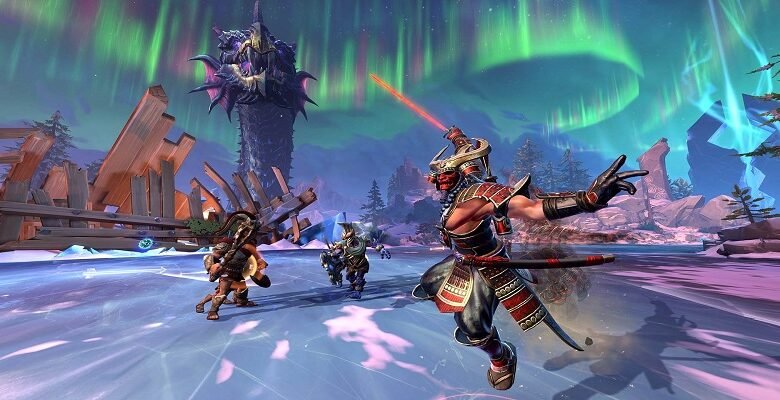
Storytelling has always been a cornerstone of human culture, and video games have become one of the most innovative ways to carry that tradition forward. By blending ancient tales with modern technology, developers create experiences that connect players to both history and imagination.
Drawing from Ancient Myths
Many video games borrow themes from mythology—heroes facing impossible trials, worlds shaped by gods, or quests driven by fate. These elements resonate because they mirror stories that have been told for centuries, making gameplay feel familiar yet fresh.
Legends Reimagined for a Digital Age
Folklore and cultural legends are often reinterpreted in interactive form. Instead of reading about a journey, players can take part in it, shaping outcomes and experiencing the narrative in a personal way. This interactivity sets games apart from traditional storytelling.
The Role of Choice in Modern Narratives
Unlike books or films, video games give players the ability to influence how stories unfold. Multiple endings, branching paths, and decision-driven outcomes allow individuals to create unique experiences, making every playthrough a new version of the tale.
Platforms Extending the Tradition
Spaces like naga15 reflect how storytelling in games continues to expand. They showcase how digital platforms provide more than just mechanics—they create spaces where culture, history, and imagination meet.
Looking Toward the Future
With the rise of virtual and augmented reality, storytelling in games will only become more immersive. Myths and legends may soon be experienced not just on a screen but in fully interactive environments where players live the story rather than simply hear it.
