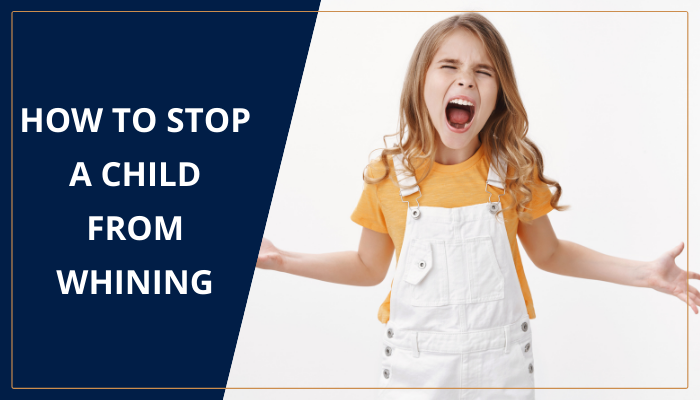
Whining is an extremely frequent issue for children. From an early age, children are aware that whining is often productive. It’s a great method of provoking adults into submission. This is why it’s crucial to stop it as quickly as you can. If you don’t take action whining will only get worse and a whiny child will likely become a whiny adult. Here the boarding school in Dehradun suggest you some of the best ways to stop your child’s whining.
One of the most common issues with children’s behavior is the issue of how you can stop your child from whining. Studies have shown whining to be one of the most annoying sounds to parents of man-something through firsthand experience. It could be that’s the reason why children are genetically programmed to whine naturally, much as fish do.
That unsettling mix of screaming, talking, and crying can be an absolute nightmare but try to not allow your child’s bellyaching to make you insane. Be calm and remind them that you’ll only comprehend what you ask them carefully. Prevention is the best way to go so plan out your shopping trips after nap time. Also, make sure to pack an afternoon snack before you leave the home. To stop whining in the longer term, educate your child what you expect from them and praise them each time they speak with a nice voice.
Here Know The Ways How To Stop A Child From Whining:
1. Controlling Your Reaction
The top schools in Dehradun advise you to control your reaction. Be careful not to allow your child’s whining to cause you to become agitated. Breathe slowly, do your best to keep an equidistant attitude, and keep your anger at bay. In this way, you must not shout or show that you’re overwhelmed. In fact, it can increase their behavior, or let them know that they are able to get attention by whining. Also, you must determine the reason your child’s behavior is due to reasons that are legitimate. In the event that your child complains but does not make any actual statements, you should look for the root of their behavior.
Don’t let them have what they want when they complain. It is essential to not immediately give in to their demands while they’re whining. They will be able to see that whining can be a successful method to obtain what they want.
2. Make It Clear That Whining is Not Acceptable
Your child must be taught that whining should not be used as a way to express his feelings. As you have taught your child as an infant to not appropriate to hit him when he was not getting what he wanted You can teach your child today that whining is not acceptable and will not give him what he wants. Be clear and calm with them. that you won’t listen to what they say until they’re capable of saying what they want with the normal voice.
3. Addressing Their Reason For Whining
You can only comprehend if they use their pleasant voice. Be compassionate and tell them that you’re here to help but you don’t know how to help them when they complain. While not glaring or frowning gently ask them to speak up using your pleasant voice. Make sure you get crackers, cereal, dry fruit, or a different snack prior to leaving the home with your child.
You can assign them a task activity to keep them busy if they’re bored. Think ahead and bring crayons and coloring books puzzles, an item for your child to be entertained while you are away. If you don’t have anything interesting to do you can think of a task or game that will keep your child.
4. Ignore Whining
Any form of attention regardless of whether it’s negative can cause the behavior to persist. Dismissing attention-seeking behavior such as whining is a successful method for behavior change. If your child starts whining when you ask them to take toys. If then you continue talking to them even as the child whines, you’re in fact enforcing the behavior. Your child’s attention can cause whining to go on. In addition the longer they engage in conversation, the more your child will be unable to pick up their toys.
5. Teaching your child to ask Nicely
Help your child learn to express their emotions in a manner that is appropriate for them. Encourage them to share what they are feeling repeatedly. Make sure to do this throughout all day and not only in the moments when they are complaining. This will teach them to articulate their needs and desires without whining. Make it clear when they’re calm and calm that you won’t react to whining.
Pick a time that they are relaxed and content to establish your expectations. Explain to them that they must be polite when they require or desire something.
Your child might not know that they are whining, or comprehend what it means. Try mimicking them or recording the time they whine. Instead of creating a negative impression or laughing at them Try not to be too sarcastic or informative.
